 ChatGPT
 Perplexity
 Claude
 Google AI Mode
 Grok
Quick answer — what is AI search optimization?
AI search optimization is the work of making your pages easy for AI systems — ChatGPT, Perplexity, Google AI Overviews, Gemini and Copilot — to find, trust and cite. It is not a separate channel from SEO: Google says optimizing for its AI features is still SEO.
Why is everyone suddenly searching for it?
The phrase people actually type has changed. "AI search optimization" averaged 4,150 US searches a month over the twelve months to October 2026, up 492.2% on the previous twelve months, when it averaged just 701. "Generative engine optimization" averaged 4,842 a month, up 34.2%. The growth is in the plain phrase, not the acronym. Searches for tools (~2,100 a month) and services (~1,400) show people are past the definition and looking to buy help. Difficulty for the head phrase is about 32 — mid-range. A specialist site can compete for it; a generic page cannot.
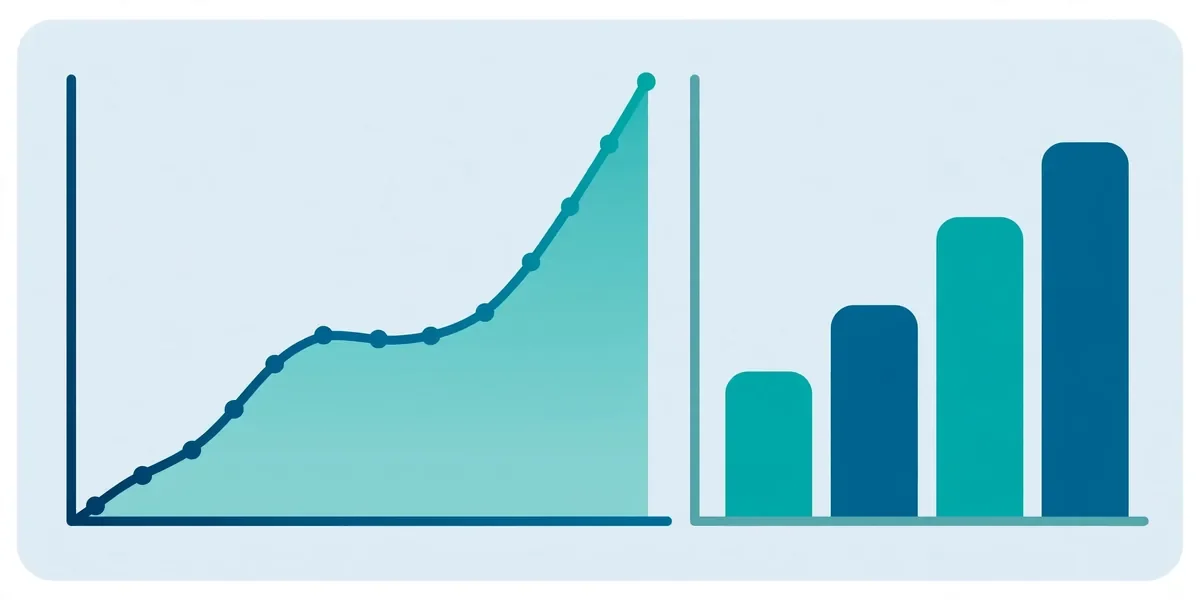
The demand is real, and still small. AI referrals were about 0.28% of a typical site's total traffic in Ahrefs' March 2026 measurement, and 0.33% in SE Ranking's April 2026 measurement. Small business sites reached 1.71% by May 2026 — about 21 times the share of publisher sites. It is growing fast from that small base: AI referral visits roughly doubled (2.2x) between March and August 2026. Read those as direction, not traffic promises.
Is it GEO, AEO, SEO — or all three?
One job, different labels. Here is how they fit together, in the order that matters.
SEO is the foundation. A page that is not indexed cannot be retrieved, and a page that is not retrieved cannot be cited. Crawlability, indexation, topical coverage, internal links, page experience and earned links are still the work. Google's May 2026 guide is explicit: its AI features are rooted in its core Search ranking and quality systems.
AEO is the passage work. It formats content so one passage can be lifted whole as the direct answer — a featured snippet, a People Also Ask box, a voice reply, or the opening of an AI Overview. Name the question in the heading, answer it in the first two sentences, then explain below.
GEO is the source work. It makes that passage easy to trust and cite: quotable facts with named sources, clear authorship, a consistent entity, crawler access, and mentions on sites you do not own. The GEO pillar frames it as three gates: retrieval, selection, citation. Fail any one and you are not cited.
Who needs it, and who does not?
You probably need it if your buyers ask questions before they buy, and those questions now get AI answers — most service businesses, clinics, lawyers, accountants, software sellers, and shops with considered purchases. If a buyer asks ChatGPT "best dentist in Dhanmondi for root canal" and the answer never names you, you are losing the shortlist before your website is even visited. You probably do not need it if your business is won almost entirely by word of mouth or repeat customers. You definitely do not need it as a separate retainer — indexation, answer-first writing and sourced facts are one job, not three packages.
The three jobs, in priority order
Do them in this order. Starting with the third job first is the most common waste of money in this field.
Job 1 — Let the crawlers in, and get indexed: AI answers are built from search results, and search results come from an index. Google's AI Overviews draw on Google's index; ChatGPT search leans heavily on Bing's; Perplexity runs its own live index as well as Bing's. Check robots.txt and your host or CDN: a firewall rule can block Googlebot, OAI-SearchBot or PerplexityBot even when robots.txt looks fine. OAI-SearchBot is OpenAI's search crawler — a site opted out of it will not be shown in ChatGPT search answers. GPTBot is training-only; blocking it does not remove you from search. Check snippet controls: noindex, nosnippet or max-snippet:0 keeps a page out of AI Overviews entirely.
Job 2 — Make one passage quotable: AI systems lift passages, not whole pages. Each key page should answer its main question in the first two sentences, under a heading that asks the question. Then give the engine something it can quote: a number, a quotation, a named study, a price, a date, a named person. Replace "many businesses" with a real, sourced figure. The Princeton GEO study found that adding quotations, statistics and cited sources raised a page's share of an AI answer by roughly 30–40% in the lab, while keyword stuffing did worse than nothing. Those figures measure share of an answer's text, not traffic, and a later replication did not confirm the effect. No one can guarantee a citation.
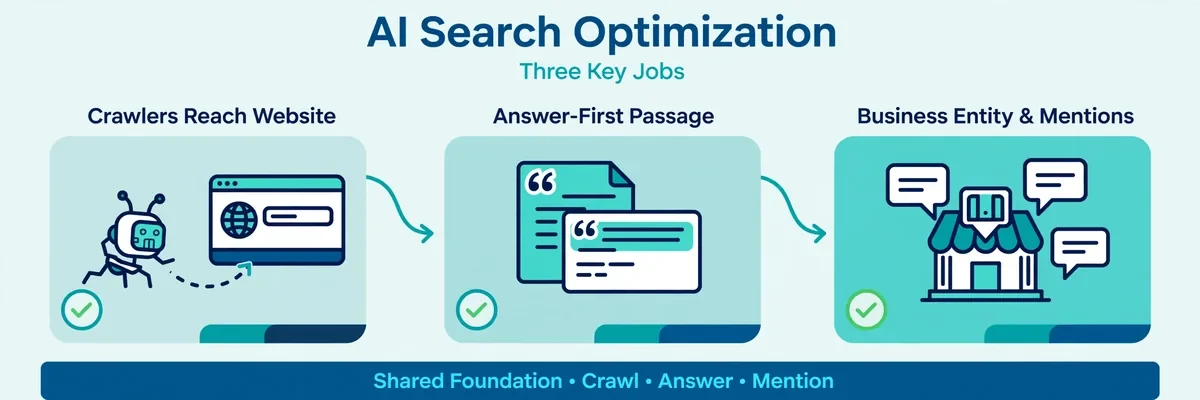
Job 3 — Make your business identifiable, and mentioned elsewhere: A perfect passage with no author, no source and no identifiable business behind it can be used without ever being credited. Name the author, with credentials. Use the same business name, address and services on your site, your Google Business Profile, LinkedIn and directories. Then earn mentions on sites you do not own — directories, review sites and local lists. Do not buy them: Google says inauthentic mentions are not likely to help.
Tools vs services — what to buy, and what not to
A tool is worth buying when it does a job you would otherwise do by hand, every month: tracking which prompts cite you, logging AI referrals in GA4, or checking crawler access. Trackers typically run $29–$495 a month.
A service is worth buying when someone does the three jobs above for you — technical fixes, answer-first rewrites, sourced facts, entity clean-up — and reports citations, not just rankings. Here that work sits inside the Growth plan ($899/month) and the Authority plan ($1,799/month, GEO included), starting with a free audit.
Do not buy a package that promises a citation or a guaranteed AI Overview appearance — Google says no third-party tool has access to its internal ranking or AI systems, and OpenAI says placement is never guaranteed. Do not buy llms.txt, a "special AI schema" package, content chunking, or an AI-specific rewrite of every page.
How to measure it
Measure the citation itself, not rankings alone. A page can be cited without ranking in the top 10 — Ahrefs found in March 2026 that only 38% of AI Overview citations came from pages in the organic top 10 — and can rank first without being cited.
Search Console's Generative AI report. Since 31 August 2026 every site has one. It shows impressions in AI Overviews and AI Mode, by page, country, device and date. Check it monthly.
GA4 AI referrals. ChatGPT referrals carry utm_source=chatgpt.com. Track them separately — the base is small, a median site received 14 AI-referred visits in August 2026.
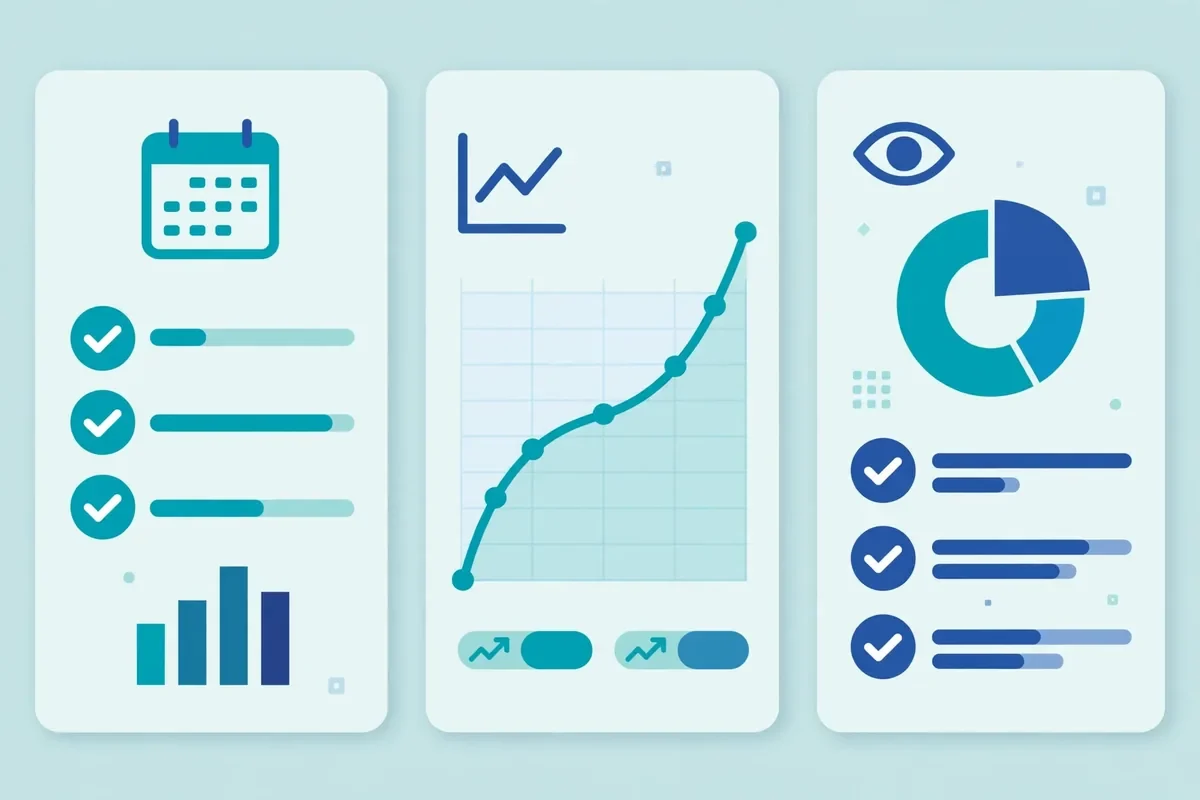
A monthly prompt panel. Keep a fixed list of 20–30 questions your buyers actually ask, and run them in ChatGPT, Perplexity and Google on the same day each month. Note for each one: did an AI answer appear, and was your page named or linked? One answer is a sample; a monthly panel is a measurement.
On conversion, be careful: some studies report AI-referred visitors converting far better than Google organic, others find the opposite. Track your own enquiries.
Myths to stop paying for
- "GEO replaces SEO." It does not. Google says AI search optimisation is still SEO.
- "llms.txt gets you cited." Google Search ignores llms.txt.
- "A special AI schema is required." There is no special schema.org markup for AI features.
- "Chunking or rewriting everything for AI." Google lists both as things to ignore.
- "Keyword stuffing helps AI pick you." Princeton measured it as worse than doing nothing.
- "A guaranteed citation." No one can guarantee one.
Checklist: start here, in order
- Crawler access — are AI search bots allowed? Check robots.txt for OAI-SearchBot, PerplexityBot and Googlebot.
- Indexation — are your key pages indexed? Check Search Console and Bing Webmaster Tools.
- Snippet controls — is anything blocking a snippet? A noindex, nosnippet or max-snippet:0 rule keeps a page out of AI Overviews.
- Answer-first — does each key page answer its main question in the first two sentences? If not, rewrite the opening.
- Quotable — does each key claim carry a number, a quotation or a linked source? Replace "many businesses" with a real figure.
- Identifiable — can an engine identify you? Named author, credentials, and identical business facts everywhere.
- Measured — are you tracking citations, not just rankings? A monthly prompt panel, AI referrals in GA4, and AI Overview impressions.
Frequently asked questions
What is AI search optimization?
It is the work of making your pages easy for AI systems — ChatGPT, Perplexity, Google AI Overviews and AI Mode, Gemini and Copilot — to find, trust and cite in their answers. It is the same foundation as SEO, with extra attention to answer-first passages, quotable facts, and a clear business behind the content.
Is AI search optimization the same as GEO?
Mostly, yes. GEO is one label for the same job, focused on getting cited inside a synthesised AI answer. AEO is the passage work, making one passage the direct answer. Google's position is that optimising for its AI features is still SEO. The labels differ; the work overlaps by roughly 70%.
How long does AI search optimization take to work?
Indexation and crawler fixes can make a page eligible within days to weeks. Citations build over weeks to months. A realistic first checkpoint is a 90-day prompt-panel comparison against your baseline, not a ranking report after one week.
Do I need AI search optimization if I already rank on Google?
Ranking helps — it is the strongest predictor of being cited — but it does not guarantee a citation. A page can rank first and never be named, because its facts are vague, its prices hidden, or its author unnamed. If you rank but are never cited, your problem is the source, not the ranking.
How much does AI search optimization cost?
A tracker tool typically runs $29–$495 a month. Done-for-you work here sits inside the Growth plan ($899/month) and the Authority plan ($1,799/month, GEO included), starting with a free audit. Do not pay a separate retainer for SEO, AEO and GEO on the same pages — it is one job, not three.
What to do next
Do the jobs in order: let the crawlers in, make your best pages answer-first and quotable, then make your business identifiable and mentioned elsewhere. Measure for 90 days before judging it.
Every engagement starts with a free audit. Request one — it now includes an AI-visibility check: crawler access, Bing and Google indexation, and a 10-prompt citation test.

Abu Hosain
Digital Marketing Strategist & White-Hat SEO Expert — 7+ years helping businesses worldwide grow with SEO, AEO and GEO.